LBBJKT The Peloton Asphalt vs. Deuter Freerider 28 SL
Two carry-on travel backpacks, compared spec for spec.
LBBJKT The Peloton Asphalt

| Capacity | 30 L |
| Weight | 2.175 kg |
| Dimensions | 52×35×14 cm |
| Airline fit | 88% |
| Price | $215 |
Feature by feature
| LBBJKT The Peloton Asphalt | Feature | Deuter Freerider 28 SL |
|---|---|---|
| Storage | ||
| Y | Compression | Y |
| 45L | Expanded Capacity | None |
| 2 | Opening | 4 |
| N | Passport | N |
| Y | Passthrough | N |
| Carry | ||
| Y | Backpack | Y |
| Y | Hip Belt | Y |
| Y | Sternum Strap | Y |
| Inside | ||
| 17in | Laptop | N |
| 2 | Main Compartments | 1 |
| Y | Organizer | Y |
| Outside | ||
| × | Hard Shell | × |
| N | Rain-fly | N |
| 2 | Water Bottle Holder | N |
| Y | Water Resistant | Y |
| Material | |
| 1000D CORDURA® Fabric by Invista™ | 330D PA 6.6 Ripstop, 210D PA Ripstop |
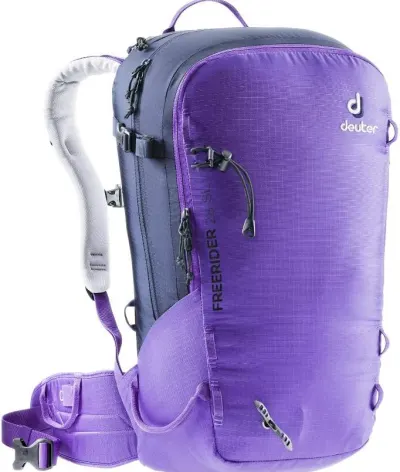
Key differences between the LBBJKT The Peloton Asphalt and Deuter Freerider 28 SL
- Opening: Rolltop on the LBBJKT The Peloton Asphalt; Top zip on the Deuter Freerider 28 SL.
- Luggage passthrough: Yes on the LBBJKT The Peloton Asphalt; No on the Deuter Freerider 28 SL.
- Laptop sleeve: 17in on the LBBJKT The Peloton Asphalt; No on the Deuter Freerider 28 SL.
- Main compartments: 2 on the LBBJKT The Peloton Asphalt; 1 on the Deuter Freerider 28 SL.
- Water bottle pockets: 2 on the LBBJKT The Peloton Asphalt; No on the Deuter Freerider 28 SL.
Both have: compression straps, backpack straps, hip belt, sternum strap, built-in organizer, water resistant.
Which airlines take each bag as a carry-on
We checked both bags against the carry-on size limits of 189 airlines. 166 accept both. 0 accept only the LBBJKT The Peloton Asphalt, and 1 accept only the Deuter Freerider 28 SL.
Only the Deuter Freerider 28 SL fits
Cayman Airways.
LBBJKT The Peloton Asphalt vs. Deuter Freerider 28 SL: which should you pack?
The LBBJKT The Peloton Asphalt carries 2L more than the Deuter Freerider 28 SL (30L vs. 28L), while the Deuter Freerider 28 SL is the lighter pack at 0.98kg (vs. 2.175kg). For carry-on flexibility, the LBBJKT The Peloton Asphalt fits 88% of the airlines we track — the higher of the two. If you prioritise packing volume, choose the LBBJKT The Peloton Asphalt; if you want to travel lighter, the Deuter Freerider 28 SL is the better call.