FHF Gear EDC Pack vs. Gregory Rhune 25
Two carry-on travel backpacks, compared spec for spec.
FHF Gear EDC Pack
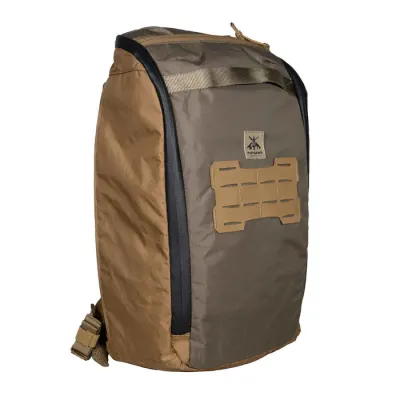
| Capacity | 18 L |
| Weight | 0.9 kg |
| Dimensions | 46×27×15 cm |
| Airline fit | 95% |
| Price | $270 |
Feature by feature
| FHF Gear EDC Pack | Feature | Gregory Rhune 25 |
|---|---|---|
| Storage | ||
| N | Compression | N |
| None | Expanded Capacity | None |
| 1 | Opening | 0 |
| top | Passport | top |
| N | Passthrough | N |
| Carry | ||
| Y | Backpack | Y |
| N | Hip Belt | N |
| removable | Sternum Strap | N |
| Inside | ||
| 15in | Laptop | N |
| 4 | Main Compartments | 4 |
| N | Organizer | N |
| Outside | ||
| × | Hard Shell | × |
| N | Rain-fly | N |
| 1, side | Water Bottle Holder | 1, side |
| Y | Water Resistant | Y |
| Material | |
| ECOPAK 400 | 100% Recycled 300D Polyester Ripstop with C0 DWR: Designed without PFAS |
Gregory Rhune 25
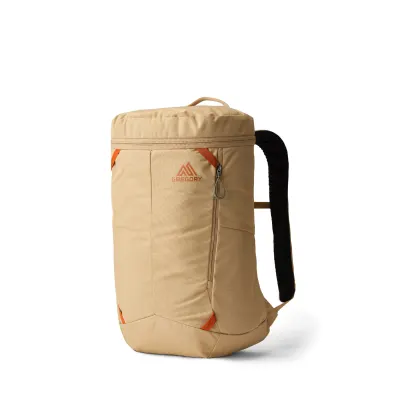
| Capacity | 25 L |
| Weight | 0.9 kg |
| Dimensions | 51×33×20 cm |
| Airline fit | 89% |
| Price | $150 |
Key differences between the FHF Gear EDC Pack and Gregory Rhune 25
- Opening: Clamshell on the FHF Gear EDC Pack; Other on the Gregory Rhune 25.
- Sternum strap: Removable on the FHF Gear EDC Pack; No on the Gregory Rhune 25.
- Laptop sleeve: 15in on the FHF Gear EDC Pack; No on the Gregory Rhune 25.
Both have: passport pocket, backpack straps, water bottle pockets, water resistant.
Which airlines take each bag as a carry-on
We checked both bags against the carry-on size limits of 189 airlines. 169 accept both. 10 accept only the FHF Gear EDC Pack, and 0 accept only the Gregory Rhune 25.
Only the FHF Gear EDC Pack fits
Air Niugini, American Eagle, Belavia, easyJet, Etihad Airways, Great Lakes Airlines, Qatar Airways, Ravn Alaska, Regional Express, Virgin Australia.
FHF Gear EDC Pack vs. Gregory Rhune 25: which should you pack?
The Gregory Rhune 25 carries 7L more than the FHF Gear EDC Pack (18L vs. 25L), while the FHF Gear EDC Pack is the lighter pack at 0.9kg (vs. 0.9kg). For carry-on flexibility, the FHF Gear EDC Pack fits 95% of the airlines we track — the higher of the two. If you prioritise packing volume, choose the Gregory Rhune 25; if you want to travel lighter, the FHF Gear EDC Pack is the better call.