Osprey Porter 46 vs. Kathmandu Katabatic 28L Pack
Two carry-on travel backpacks, compared spec for spec.
Feature by feature
| Osprey Porter 46 | Feature | Kathmandu Katabatic 28L Pack |
|---|---|---|
| Storage | ||
| 2 | Compression | Y |
| None | Expanded Capacity | None |
| 1 | Opening | 4 |
| top | Passport | N |
| Y | Passthrough | N |
| Carry | ||
| hideable | Backpack | Y |
| hideable | Hip Belt | Y |
| Y | Sternum Strap | Y |
| Inside | ||
| 16in | Laptop | N |
| 4 | Main Compartments | 1 |
| Y | Organizer | Y |
| Outside | ||
| × | Hard Shell | × |
| N | Rain-fly | optional |
| N | Water Bottle Holder | 2 |
| Y | Water Resistant | Y |
| Material | |
| bluesign®-approved Recycled 500D Nylon Packcloth PFC Free DWR | 100% Polyester |
Kathmandu Katabatic 28L Pack
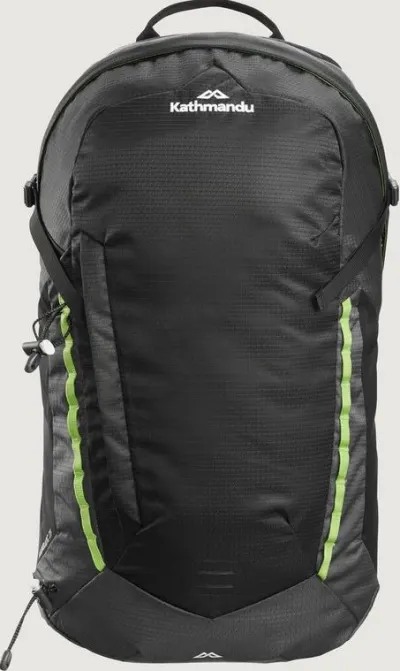
| Capacity | 28 L |
| Weight | 0.906 kg |
| Dimensions | 52×29×28 cm |
| Airline fit | 14% |
| Price | $120 |
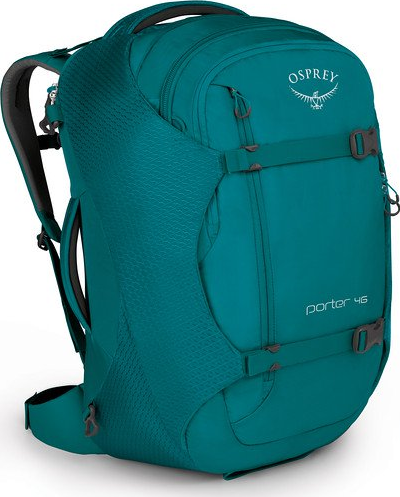
When it comes to sturdy, reliable travel companions, both the Osprey Porter 46 and the Kathmandu Katabatic 28L pack make for admirable contenders. The Osprey Porter 46, with its nylon build and generous volume of 46 litres, is a colossal beast ready to accommodate the needs of the most demanding travelers. Offering various compartments (including one to fit a laptop up to 1 inch), its versatility doesn't stop at the storage. It's compatible with 47% of airlines, making it the more accessible choice.
Likewise, the Kathmandu Katabatic 28L pack shows promise in its travel prowess. Made of 100% polyester, it stands firm at a weight of 0.906 pounds, making it significantly lighter than the Osprey Porter 46. With a capacity of 28 litres, it might not match up to the Porter in terms of size, but it offers a valuable trade-off with its superior compatibility with airlines, at 30%.
Comparison Summary
- The Osprey Porter 46 is larger (46 litres vs 28 litres) and slightly heavier (1.5 pounds vs 0.906 pounds).
- Both packs offer unique materials with the Osprey made of Nylon and the Kathmandu made of 100% Polyester.
- The Osprey Porter 46 comes with a laptop compartment for a 1-inch laptop, which isn't available in the Kathmandu Katabatic 28L pack.
- The Kathmandu Katabatic 28L Pack offers better compatibility with airlines at 30% compared to Porter's 26%.
However, there's more to a backpack than just its capacity and compatibility. The finer, often overlooked, details such as zipper quality, strap comfort, and durability affect the overall experience. Here the Osprey Porter 46 shines with a clamshell opening, compression straps, and a reliable suspension. The reviews echo this sentiment—remarkable organization, comfort, and a value worth its price point are sung praises.
In contrast, the Kathmandu Katabatic 28L Pack carves its niche in its specific offerings. Notably, an Air Pod System (APS) that promotes excellent back ventilation and attachment points for extra gear like hiking poles and pouches. Users comment on the bag's good craftsmanship, durable build, and practical organization. Despite its smaller size, its multifaceted approach makes it a formidable competitor against the Osprey Porter 46.
In conclusion, the choice between the Osprey Porter 46 and the Kathmandu Katabatic 28L Pack boils down to personal preferences and specific travel needs. The former suits those who value robust capacity and functionality, while the latter's lightweight design and adaptability may appeal to others.